
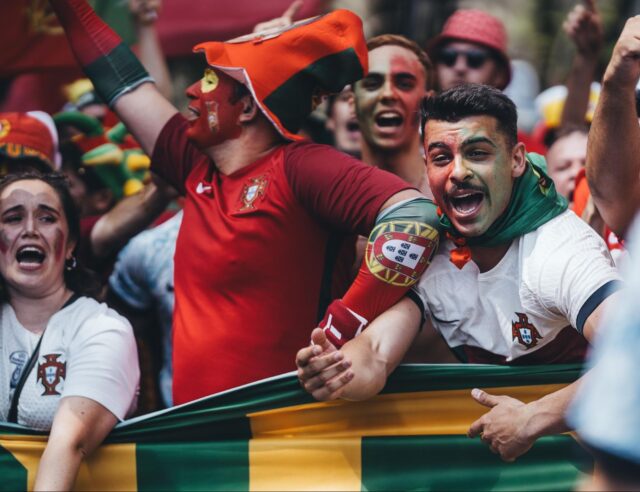
Sports betting during the 2026 FIFA World Cup is already setting records as being the largest betting event in human history, with the global betting volume projected to exceed $50 billion. Thanks to the expanded tournament format of 48 teams and 104 games across North America, the betting world is currently being completely dominated by real-time mobile apps, AI-driven dynamic odds and a large influx of casual, first-time bettors.
The much-anticipated 2026 FIFA World Cup has finally arrived, bringing along with it an historic expansion of 48 teams participating in 104 games in total that will be spread across the United States, Canada and Mexico. While soccer fans from all over the world are celebrating this expansive multi-national tournament, the global gambling sector is undergoing an evolution unlike anything it’s ever seen before.
The amalgamation of a fully mature US legal market, technological upgrades and the sheer volume of games has significantly redefined what sport betting looks like during a major global tournament, setting a new standard for how this popular activity will influence similar tournaments in the future.
The early market projections ahead of the opening games estimated that America alone would wager between $2.8 million and $4 billion over the course of the tournament, with the global handles expected to exceed $60 billion. With the group matches having just kicked off, the actual engagement numbers have already proven that sports betting has become an integral component of the modern viewing experience.

The Popularity of Micro-Betting and In-Play Markets
World Cup games are already an exhilarating, anxiety-inducing experience that has fans all over the globe sitting on the edge of their seats, invested in every second of the game. But now that in-play and micro-betting markets have taken the world by storm, this experience just got a whole lot more intense.
In previous tournaments, the majority of bets were placed on:
- Traditional futures
- Group winners
- Pre-match moneylines
During this World Cup, however, the balance has shifted toward live, in-play micro-betting thanks to advancements in real-time data processing and low-latency pricing feeds that allow sportsbooks to offer hyper-specific props that update by the second.
Fans aren’t just betting on who will win the match because now they’re can use responsive mobile interfaces to place bets on granular events within the game, like:
- The outcome of the next corner kick
- Whether a specific player will execute a shot on target within the next 5 minutes
- Which team will be awarded the next card
- Who will score the next goal
This makes every second count, and everything that happens within a game of vital importance. Now you’re not just watching the scoreline, you’re paying attention to every aspect of the game to guide your next prediction.
Localization and the Home Field Economic Boom
The geographical layout of this year’s tournament has also become a major catalyst for regional sport betting handle. With 78 of the games being slated to take place on American soil, the integration between physical stadiums and sports betting apps has become seamless.
The states where mobile betting is legal, and where some of the games will be held, have reported unprecedented levels of geo-location surges inside and around their stadium parameters. These states include:
- New York
- New Jersey
- California
- Texas
This localization completely changes player behavior because a fan attending a live game at MetLife Stadium or the Dallas Stadium can place localized prop bets based on the climate, altitude or atmosphere of that specific venue.
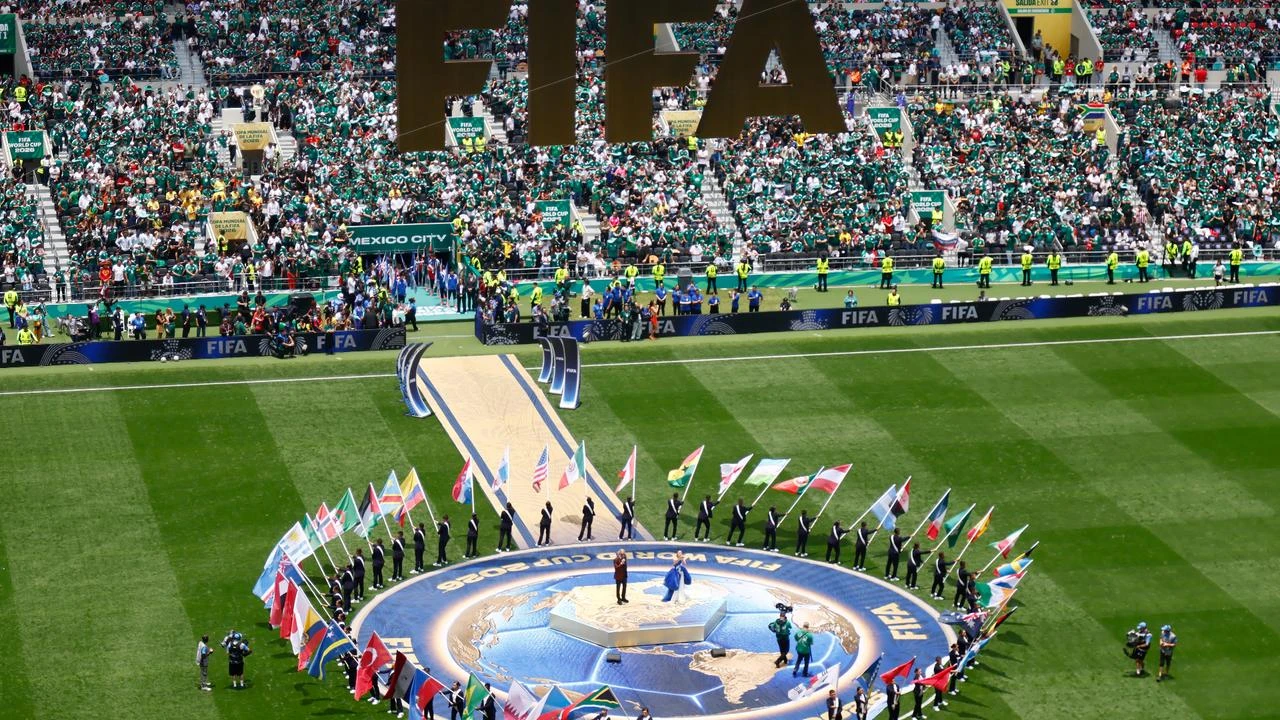
Analysts noted ahead of the tournament opening that stadiums at higher altitudes like Mexico City Stadium, can heavily influence factors like:
- Team stamina
- Total goal lines
- Second-half corner props
That means you can gain a competitive edge over the algorithms by actively tracking these environmental data points.
Hyper-Personalization and the Long-Term Retention Challenge
Naturally, a tournament of this scale will attract massive numbers of casual bettors looking to capitalize on the excitement of the moment. The challenge of sports betting apps will be how to keep these users engaged with their sites once the tournament is over.
As such, many sport betting sites are implementing intricate Customer Relationship Management systems during the games to track your betting history in real time. If you exclusively bet on the US National Team throughout the tournament, you’ll continue to receive notifications and incentives aligned with that preference once the tournament ends as a way to keep you interested in continuing your betting activities.
The ultimate goal of these sites is to convert the millions of casual bettors who are only participating due to the World Cup into long-term players long after the final whistle blows in July.
Responsible Gambling Tools Take Center Stage
With millions of first-time bettors entering the market during the tournament, regulators and operators alike have placed responsible gambling features under a brighter spotlight than ever before. Most major sportsbooks now display deposit limits, session timers and self-exclusion options directly within their World Cup betting hubs, rather than burying them deep in account settings where casual users would never find them.
This shift isn’t purely altruistic. Operators understand that a wave of inexperienced bettors chasing losses during a month-long tournament could generate negative headlines and invite stricter regulation. By promoting affordability checks and cool-off periods proactively, sportsbooks are protecting both their customers and their own long-term license to operate across multiple jurisdictions.
For bettors, these tools are worth using from day one. Setting a fixed tournament budget before the group stage, treating each wager as entertainment rather than income and taking breaks between match days are simple habits that keep the experience enjoyable. With 104 games on the schedule, the temptation to bet on everything is real, but the smartest participants in this record-breaking event will be the ones who pace their bankroll just as carefully as the players pace their legs.

Setting A New Standard for Sport Betting
The 2026 World Cup isn’t just a historical event in sports betting, but a blueprint for what the industry will look like going forward. It’s not become clear that this formerly niche pastime has become a widely embraced part of the sporting experience, which means the trend will only grow in the years to come.