

Online activity has reached a point where convenience often comes at the cost of visibility. In response, many regular users are rethinking how they handle payments, leaning toward methods that offer more control and less exposure.
Every action you take online leaves some kind of trace. When you move through digital entertainment platforms, that trail can quickly build into a detailed record of your habits. For many, the priority has shifted from speed to discretion, which is why anonymous funding options are becoming more relevant.
The Data Trail of Modern Entertainment
The current digital environment is built around tracking. Almost every interaction is logged, measured and stored. Standard payment methods typically require extensive personal details before you can even get started on a platform. Over time, this creates a detailed profile of both your spending patterns and your preferences.

That level of visibility doesn’t sit well with everyone. If you’re engaging frequently, the volume of collected data increases and so does the potential exposure. Marketing systems use this information to target you more aggressively, while the risk of data breaches remains an ongoing concern.
Choosing to step away from that system is less about secrecy and more about control. Reducing how much information you share means fewer records tied directly to your identity.
It also means your routine stays your own, rather than becoming part of a broader dataset. For many users, keeping everyday financial statements free from repeated entertainment-related entries is part of that same thinking.
Securing the Digital Recreation Experience
Using a Betting Voucher changes how your transactions connect to your identity. Instead of linking your main banking details to a platform, you’re working with a separate, prepaid method. That separation matters.
You don’t need to enter card numbers or security codes, which removes one of the more common vulnerabilities in online payments. The result is a cleaner boundary between your financial accounts and your digital activity, reducing the chances of sensitive information being exposed.

There’s also a practical side to this approach. Because vouchers are purchased in advance, they introduce a level of intentionality. You decide how much to spend before you even log in, rather than reacting in the moment. That extra step can help prevent the kind of frictionless spending that often happens with saved card details.
At the same time, your broader financial profile remains unaffected. Routine checks, lending assessments or account reviews won’t reflect these transactions in the same way they would with direct payments. For users who value separation between different parts of their financial life, that distinction is important.
Strategic Advantages of Physical Tokens
Cash-to-digital systems offer a straightforward way to move between offline and online environments without fully merging the two. A prepaid voucher acts as a bridge, allowing you to fund an account without sharing your primary banking details.
That structure comes with a set of clear, practical benefits. Transactions are typically processed immediately, without waiting for bank approvals. Spending is naturally capped by the value of the voucher itself, so there’s no risk of exceeding what you’ve already set aside.
You also avoid issues such as chargebacks, unexpected fees or overdrafts that can arise with direct account access.
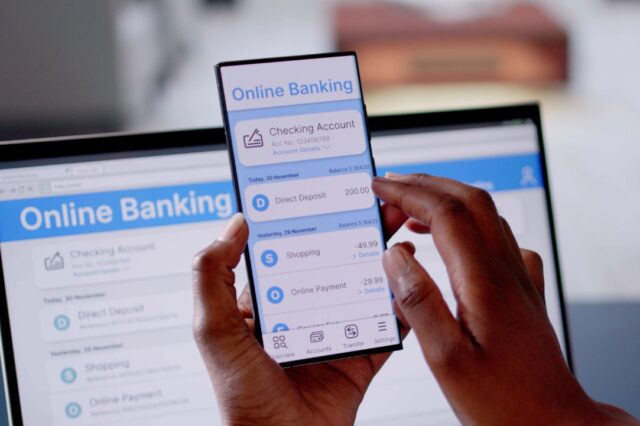
Because these vouchers operate outside traditional banking systems, they’re not exposed to large-scale database breaches in the same way. That added distance can make a meaningful difference in protecting personal data.
There’s also a behavioral impact. Obtaining a physical or prepaid token introduces a pause in the process. It’s a small step, but it changes how decisions are made. Instead of instant deposits with a single click, there’s a moment to consider the amount and the purpose. Over time, that can shape more deliberate spending habits.
The Premium Value of Discretion
Many platforms encourage card use because it’s fast and easy. But ease often comes with trade-offs that aren’t always visible at first. Data tracking, profiling and long-term storage of transaction histories are all part of that exchange.
Purchasing a Betting Voucher in person creates a clear divide between your income and your leisure activity. The transaction doesn’t pass through the same digital channels, which limits the amount of information that is recorded and shared. For users who are aware of how extensively financial data can be analyzed, that separation carries real value.
This approach reflects a broader shift in how people think about digital participation. It’s less about avoiding technology and more about deciding how to engage with it. Keeping certain activities separate from your main financial systems is one way to maintain that balance.
Why Experienced Digital Users Are Moving Away From Traditional Payment Methods
Another factor driving the popularity of voucher-based transactions is the growing awareness of financial cybersecurity. High-frequency digital users tend to be more familiar with the risks associated with storing payment information across multiple online platforms. Each saved card, linked bank account, or recurring payment arrangement creates another potential point of vulnerability.

Voucher systems offer a practical alternative by limiting the amount of sensitive information shared online. Even if a platform experiences a security incident, there is significantly less personal financial data exposed because the voucher itself contains a fixed value rather than direct access to a user’s bank account.
Many users also appreciate the flexibility that prepaid funding provides. Different vouchers can be allocated for different forms of entertainment, making budgeting simpler and more transparent. Instead of reviewing lengthy banking statements to track spending, users can immediately see how much has been allocated and how much remains available.
As digital privacy becomes a greater concern, consumers are increasingly looking for solutions that align with both security and convenience. Voucher-based transactions meet those expectations by combining controlled spending, reduced financial exposure, and a more deliberate approach to online participation. For users who engage regularly with digital entertainment platforms, that balance is becoming an increasingly attractive part of the overall experience.
The Future of Secure Entertainment Funding
As online entertainment continues to grow, the way people fund their accounts is evolving alongside it. The demand for flexible, lower-visibility payment options isn’t disappearing. If anything, it’s becoming more defined as users better understand how their data is handled.
Voucher-based systems fit into that shift by offering a way to participate without full financial integration. They reduce the connection between your primary accounts and your digital activity, which in turn lowers exposure to both data tracking and potential security risks.