

Have you heard that insurance companies offer discounts on homeowners’ policies when customers install home security devices? It is not a myth.
The Hartford, Allstate, and several others are known to offer discounts of up to 10% or more, depending on the steps homeowners take to protect their properties. The big question is: why?
Insurance is, at its core, a risk-reward gamble. Insurance companies are gambling that the majority of their customers will pay premiums for a lifetime without ever making significant claims. In exchange for the obvious financial benefits, they take the risk of having to make significant payouts when claims are made. So, from the insurance company’s perspective, homeowners lowering their risk simultaneously increases their reward. They are willing to pass some of that reward on to their customers by way of premium discounts.
Protecting Against Burglary
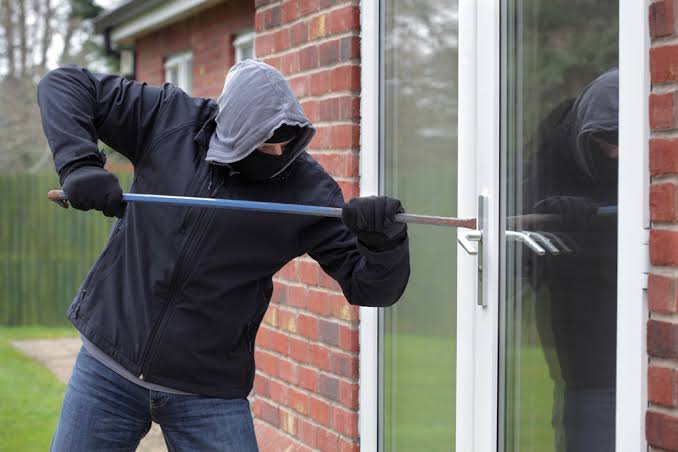
Both homeowners and renters policies cover financial losses in the event of burglary or theft. Somebody breaks in, steals your priceless art collection, and leaves you with nothing but nails and hooks on the walls. Your homeowner’s policy covers the loss. How do you think your insurance company would feel about you constantly leaving your doors unlocked and your windows wide open?
As unhappy as they would be to find your home unsecured, they would be equally happy to learn that you’ve taken every step to keep burglars out. Installing certain kinds of security devices makes burglary harder, increasing the chances that you won’t be victimized. That’s why insurance companies like to see:
- External and internal video cameras
- Window and door sensors
- Exterior perimeter lighting
- Motion sensors for both lighting and video surveillance
Insurance companies also appreciate alarm systems that make plenty of noise. Professionally monitored systems, such as those from well-known brands like Vivint, are even better. Professionally monitored home security takes safety to a whole new level.
Protecting Against Fire and Flood

Burglary is a serious enough issue because it can result in huge insurance payouts. But there are two things insurance companies fear more than burglary: fire and flood. Both can completely devastate a home and its contents, leaving an insurance company with a hefty bill to pay. They offer discounts on flood and fire protection because it reduces their risks substantially.
Insurance companies truly appreciate hard-wired smoke detectors connected to professionally monitored systems. Smoke detectors provide early warning and encourage faster response times. They can make the difference between a partial loss and total devastation.
Likewise, flood sensors can alert homeowners to rising water at the earliest possible stage. Whether water is the result of a broken pipe or a springtime flood, early warning gives homeowners an opportunity to mitigate losses. Loss mitigation is good for the insurance company.
Discounts Vary by Carrier

Unfortunately, it’s not possible to provide hard and fast numbers detailing exactly how much you could save by investing in home security. Discounts vary by carrier. If you are thinking about investing in security equipment, contact your insurance company and ask. Do not be afraid to shop around as well.
Insurance companies offer discounts to encourage people to take better care of their property. But they also use them to be more competitive in the marketplace. Shopping around could reveal other carriers whose deeper discounts save you more in the long run. You may have to switch to get the best possible deal.
Risk is everything in the insurance industry. Low risk makes insurance companies happy. High risk makes them nervous. Investing in home security is a way to reduce the anxiety and potentially snag a decent discount for yourself.
Frequently Asked Questions
How much can I actually save by adding a security system?
Savings vary by insurer, state, and the devices you install. Some companies offer a flat discount just for having a monitored alarm, while others calculate savings feature by feature, covering things like smoke detectors, water sensors, or cameras separately. Discounts commonly range from 2% to 20%, though most homeowners land somewhere in the middle. The only way to know your exact number is to ask your insurer directly.
Does my system need to be professionally monitored to qualify for a discount?
Not always, but it usually matters for the size of the discount. Many insurers give a small credit for basic, self-monitored sensors and cameras, while bigger discounts are typically reserved for professionally monitored systems, since these guarantee that help is called even when no one is home to respond.
Will my insurance company verify that the system is actually installed?
Some insurers simply take your word for it, while others ask for a purchase receipt, an installation certificate, or a copy of your monitoring contract. A handful conduct periodic inspections on higher-value homes. Keeping your documentation on hand, including receipts and monitoring agreements, is worth doing in case your insurer ever asks you to prove it.
Can smart devices like video doorbells or smart locks lower my premium too?
Yes, most insurers now treat smart home technology as a genuine risk-reduction tool. Video doorbells discourage porch theft and provide useful evidence after a break-in, while smart locks cut down on unauthorized entry. Smart smoke and water-leak detectors are also gaining favor with insurers, since they flag problems the moment they start.
Is switching insurance companies worth it just for a bigger discount?
Sometimes, but compare the whole picture, not just the discount. A cheaper premium is not much of a win if the coverage limits, deductibles, or claims service fall short. Get quotes from a few carriers, ask specifically about their security discounts, and weigh total cost against coverage. Often, simply calling your current insurer about your new security upgrades is enough to unlock savings without switching at all.