

Musicians, producers, songwriters, session players, and other creative professionals regularly work under contracts, whether formal written agreements or informal arrangements confirmed by email or message. When those agreements are unclear or the parties see the terms differently, a contract dispute can follow. This guide explains how these disagreements typically arise and the common ways they are handled, so readers can understand the process before a problem occurs.
Table of Contents
- What Is a Contract Dispute?
- Common Sources of Disputes in Music and Creative Work
- Putting Terms in Writing
- Reviewing Terms Before Signing
- Ways Disputes Are Commonly Resolved
- Handling Payment Disagreements
- When Legal Advice Helps
- Practical Steps to Reduce Future Disputes
- Frequently Asked Questions
What Is a Contract Dispute?
A contract dispute is a disagreement between two or more parties about what an agreement requires, whether a party has met its obligations, or what remedy should apply. In creative fields, the disagreement often concerns fees, delivery deadlines, ownership of recordings or compositions, credit, or how a work may be used.
Under general contract principles, a binding agreement may exist even when it was not written down. The Incorporated Society of Musicians notes that where there is a clear agreement to deliver a professional service in exchange for a fee, a legally binding contract has usually been formed, regardless of how informally it was made. Whether a particular arrangement is binding depends on its facts and the applicable jurisdiction.
Common Sources of Disputes in Music and Creative Work
Recording sessions, collaborations, and licensing deals bring many people into a single project, and each participant may have a different understanding of their role. Disagreements frequently arise in situations such as:
- Splitting songwriting credit or royalty shares among co-writers
- Deciding who owns the master recording after a studio or producer session
- Unclear payment dates or unexpected deductions
- Cancellation terms for live performances or rehearsals
- Permission to use music in films, advertising, or online content

Putting Terms in Writing
A written agreement gives all parties a single reference point for the terms they have accepted. The U.S. Copyright Office explains that copyright ownership and the rights attached to a work can depend on the agreements the creators make, which is one reason written terms are widely recommended. A typical written creative agreement may cover:
- The scope of the work and the deliverables
- Fees, payment schedule, and accepted payment methods
- Ownership of copyright, masters, and any pre-existing material
- Credit and approval rights
- Termination, cancellation, and notice requirements
- The method for resolving disagreements
For readers who want background on how creators are paid and how rights are structured, the U.S. Copyright Office guidance for musicians offers an official overview of copyright basics, including registration and the options available when a work is used without permission.
Reviewing Terms Before Signing
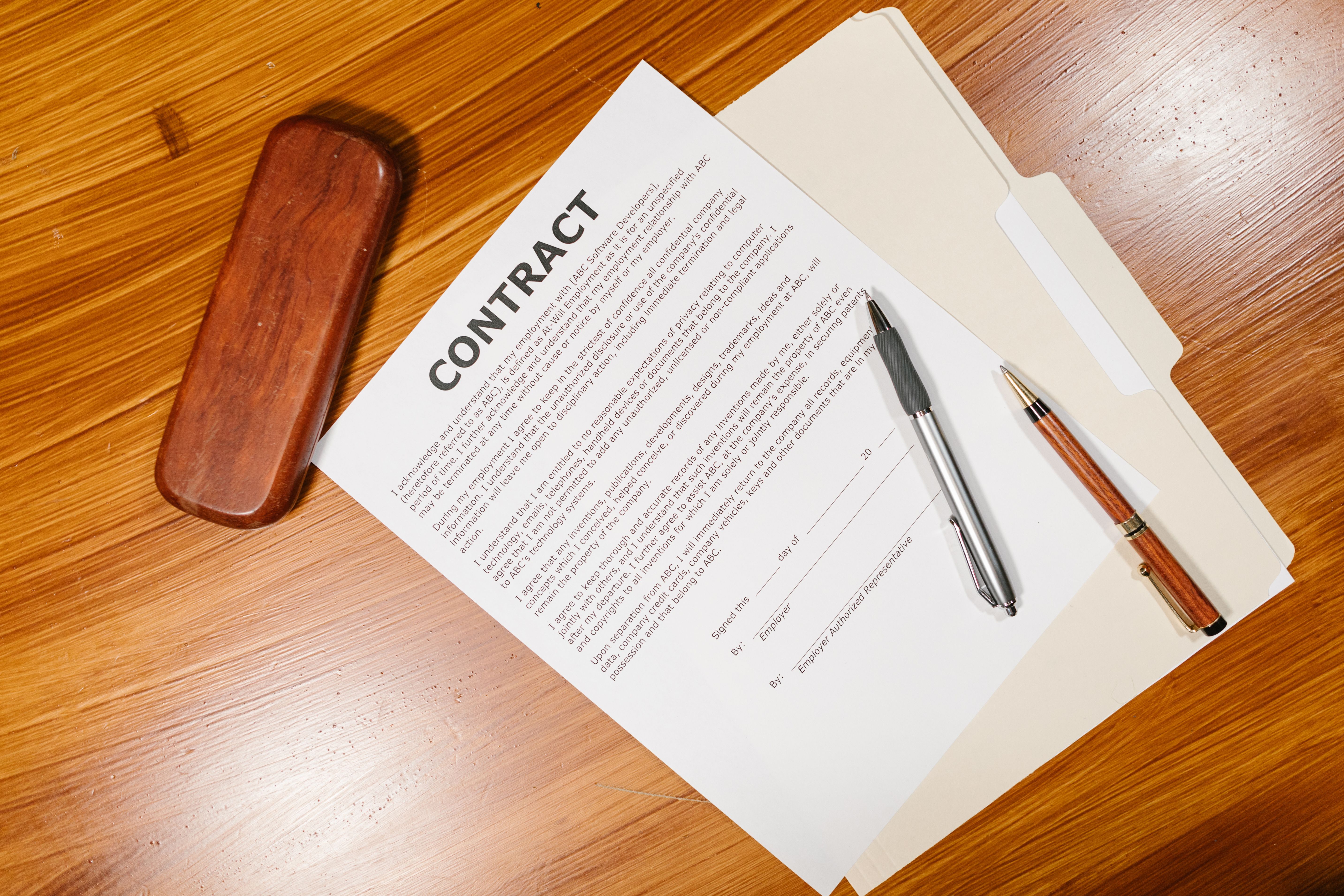
Many disputes begin with terms that were accepted quickly. Reviewing an agreement before signing helps identify points that may need clarification. Creative professionals often check the following:
- Whether the contract assigns rights outright or only licenses them for a set period
- Whether the payment terms and revenue calculation are clearly described
- Whether there is an approval process for new uses of the work
- Whether the agreement can be ended, and what notice is required
- Whether the contract refers to any other documents that also apply
Industry guidance from the ISM contracts guidance for musicians suggests that the core points of a contract usually include the nature of the work, the fee and payment timing, and any cancellation policy. Reading those points carefully before signing can reduce the chance of disagreement later.

Ways Disputes Are Commonly Resolved
Most contract disagreements are addressed without a court case. The table below summarizes the main approaches. The suitability of each method depends on the dispute, the parties’ relationship, and the governing jurisdiction.
For U.S. copyright matters, the Copyright Office notes that certain disputes may be heard by the Copyright Claims Board, a voluntary forum intended as a streamlined alternative to federal court for claims below a stated damages limit. Eligibility and procedure should be checked against current official guidance.
Handling Payment Disagreements
Payment questions are among the most common practical issues in creative work. When a client or collaborator does not pay as agreed, the professional may need to decide how to pursue unpaid professional service fees through steps such as a written payment reminder, a formal demand letter, mediation, or, where necessary, a small claims or civil court process. Keeping invoices, signed agreements, and records of communications generally makes these steps easier to document.
Useful preparation before escalating a payment issue often includes:
- Confirming the agreed amount, due date, and any late-payment terms
- Gathering invoices, delivery records, and messages showing the work was completed
- Sending a written reminder that restates the contract terms
- Checking whether the contract contains a dispute resolution clause or notice period
When Legal Advice Helps
Legal advice is generally useful when a dispute involves significant money, ownership of rights, or a contract that is difficult to interpret. Many professionals consult solicitors or attorneys with experience in entertainment, arts, or intellectual property law. Some arts organizations and membership bodies also offer limited advice or template agreements, which may be a helpful starting point but do not replace advice tailored to a specific situation.

Practical Steps to Reduce Future Disputes
While no approach can rule out every disagreement, the following habits may reduce the likelihood and impact of contract disputes:
- Put agreements in writing, even for short projects
- Keep working files, drafts, and session notes that show each contributor’s role
- Agree on credit, ownership, and royalty expectations before work begins
- Record payment terms and confirm changes in writing
- Seek advice before granting broad permissions to use a work
Frequently Asked Questions
Is a verbal agreement a binding contract?
It may be. Under general contract principles, an agreement can be binding even when it is not written, if the essential terms were agreed. However, proving the terms is usually more difficult without a written record, so written confirmation is commonly recommended.
What is the difference between a licence and an assignment?
A licence gives another party permission to use a work in specified ways while the creator keeps ownership. An assignment transfers ownership of the rights, either permanently or for a set term. The effect of each depends on the wording of the contract.
Do all disputes end up in court?
No. Many disagreements are resolved through negotiation or mediation. Court proceedings are generally considered when other options have not resolved the matter, and the appropriate route depends on the jurisdiction and the contract.
Should I get a lawyer to review a contract before signing?
For agreements involving significant rights, long terms, or unfamiliar obligations, independent review is commonly recommended. The level of review that is appropriate depends on the complexity of the agreement and the resources available.
Keeping Disputes Manageable Over Time
Contract disputes in music and creative work are usually easier to manage when terms are clear, records are kept, and each party understands the available resolution options. Most issues can be addressed through early, documented conversations, with formal processes reserved for matters that cannot be settled otherwise. Readers facing a specific dispute should review their own agreement and seek advice from a qualified professional in their jurisdiction.