
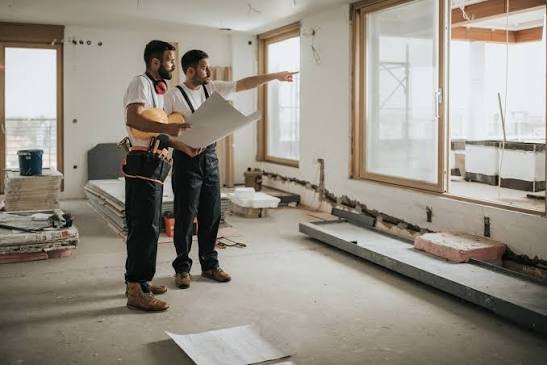
Renovating an older commercial property can improve its appearance, functionality and suitability for modern businesses. However, ageing buildings can contain structural, electrical and safety issues that are not immediately visible. Before construction begins, owners should investigate the existing condition of the property and understand which approvals or specialist assessments may be required.
Assess the Building Before Finalising Renovation Plans

A detailed inspection should come before major design decisions. Cracking, water damage, corrosion, deteriorated roofing and previous alterations can all influence what is practical. Structural elements may also need professional assessment if walls, floors or other significant parts of the building will be modified.
Older electrical and plumbing systems deserve similar attention. A renovation that introduces additional lighting, equipment, kitchens or air-conditioning could place new demands on infrastructure that was designed decades earlier. Identifying necessary upgrades at the beginning is generally easier than discovering limitations once construction is underway.
Owners should also investigate whether hazardous materials may be present. Depending on the building’s age and construction history, specialist assessment and management could be necessary before materials are disturbed.
Review Fire Safety and Regulatory Requirements

Changing the layout or intended use of a commercial property can affect its fire safety requirements. Exits, evacuation routes, fire-resistant construction, alarms and other systems may need to be considered as part of the renovation rather than added after the new layout has already been designed.
Requirements can depend on the building, proposed work and applicable regulations, so qualified professionals may need to assess the project. Browse here for a fire engineer Brisbane can provide if you’re requiring this service in Queensland, Australia – a great starting point to view options that are vetted, and compliant.
Building owners should also determine which permits and approvals are required before work begins. Accessibility, occupancy and other building requirements can become relevant when an older property undergoes substantial changes. Professional advice early in the process can help identify obligations that might otherwise cause delays later.
Consider How the Renovated Property Will Operate

A successful renovation should address future use as well as existing defects. Owners need to consider how employees, customers, deliveries and maintenance teams will move through the completed premises. Entrances, corridors, bathrooms, storage areas and service spaces should support the intended occupants.
Energy efficiency can also be reviewed during renovation. Older properties may have inefficient lighting, cooling or insulation, and construction work can provide an opportunity to evaluate practical upgrades.
Finally, the renovation budget should contain a contingency for unexpected discoveries. Opening walls, ceilings or floors in an older building can expose deterioration or previous work that was impossible to identify during an initial inspection.
Conclusion
Renovating an older commercial property requires careful investigation before visible improvements begin. Structural condition, building services, fire safety, accessibility and regulatory requirements should all be considered during planning.
By identifying potential problems early and involving appropriate specialists where necessary, owners can develop a more realistic budget and reduce the risk of expensive changes once construction has started.