
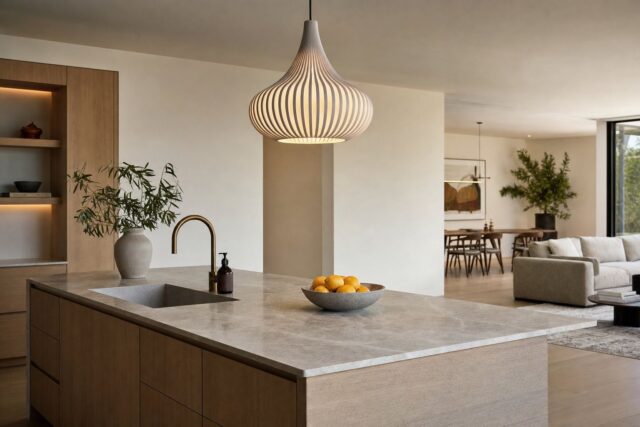
Statement lighting can fundamentally change how you experience an open-plan living area. By serving both decorative and practical roles, these fixtures help define zones, foster ambiance, and ensure every space is welcoming and functional.
Mastering the art of statement lighting allows you to enjoy a home that is both visually cohesive and responsive to your daily needs.
Modern open-plan layouts present specific challenges for lighting design, requiring careful planning to ensure comfort and utility across interconnected kitchen, dining, and living spaces.
Visual Comfort designer kitchen lighting, often selected for its combination of aesthetic impact and practical illumination, demonstrates how lighting can serve as both a focal point and defining structure.
As multifunctional zones blend into one another, statement lighting helps visually organize and subtly separate spaces without the use of walls.
Making the right choices helps set the atmosphere, clarify activity areas, and avoid issues such as uneven lighting or glare, blending design intent with daily functionality.
Defining the role of statement lighting in shared spaces
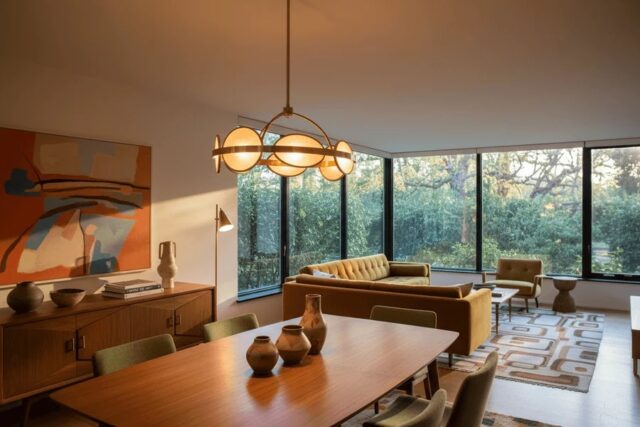
Open-plan interiors remove traditional walls but add complexity when it comes to lighting. In these expansive, multi-use rooms, statement lighting becomes essential for introducing visual hierarchy and spatial order.
Instead of being solely decorative, statement light fixtures provide a clear point of focus, such as anchoring a dining area with a bold pendant or defining a seating area with a sculptural chandelier.
They ground key zones, drawing attention where needed and promoting a sense of coherence across a large floor plan.
The ability of statement lighting to anchor pivotal spaces allows for clear delineation of different functions within a unified scheme.
For example, a large kitchen island might be highlighted with a row of glass pendants, while the lounge gains personality from a central fitting.
This approach stands in for the segmentation usually provided by walls and encourages a harmonious flow.
Visual Comfort illustrates the significance of thoughtful fixture selection to create a unifying thread across diverse living areas.
Visual Comfort designs and curates premium decorative and architectural lighting that blends timeless design, craftsmanship, and performance for residential and commercial spaces.
Statement lights not only attract attention but also support routines and help avoid unevenly lit spaces that could compromise comfort.
Beyond their functional benefits, statement lighting fixtures contribute to the emotional experience of open-floor living.
The interplay of light and shadow created by distinctive designs can evoke specific moods, from energizing brightness in active zones to calming warmth in relaxation areas.
As the eye naturally gravitates toward well-lit focal points, these fixtures guide movement and attention throughout the space, creating intuitive pathways and encouraging interaction.
The psychological impact of thoughtfully chosen statement pieces extends beyond mere aesthetics, influencing how occupants perceive space, comfort, and even the passage of time within their homes.
Effective zoning through fixture selection and positioning
Zoning is central to open-plan design, and lighting plays a key role. By selecting different types of fixtures for cooking, dining, and living areas, you create separation while preserving the open feel.
Pendants above an island, for example, define functional workspaces and provide focused task lighting, while a softer cluster over a dining table creates a welcoming atmosphere.
Ceiling heights, the spread of light, and fixture sizes are balanced to maintain harmony and prevent areas of insufficient or excessive lighting.
Consistent placement and careful spacing help each area transition smoothly into the next. Aligning pendant lights with furniture and circulation paths gives the space a sense of order and ease of movement.
Coordinating fixture brightness and style is necessary to prevent overwhelming the senses or leaving important areas in shadow.
Layering ensures zones are defined yet visually connected, allowing activity and mood to move naturally throughout the room.
Layering light for comfort, flexibility, and drama
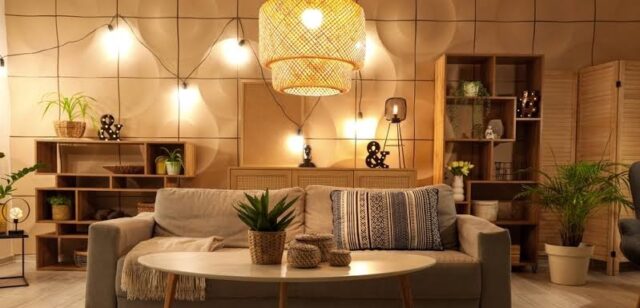
Open-plan environments benefit from layered lighting, using a combination of illumination types to meet multiple needs.
Ambient lighting provides general brightness, making large rooms comfortable and usable throughout the day.
Task lighting offers intensity for work areas like kitchen counters or reading nooks, while accent lighting from wall-washers or art spotlights adds drama and highlights features without taking away from the overall look.
Statement lighting acts as the link across these layers, adding character without replacing the practical role of other sources. This integration helps support every activity, from cooking to entertaining, without sacrificing style.
It is common practice to use dimmable circuits and vary fixture sizes to adjust mood and adapt to different uses. This approach helps manage contrasts between daylight and artificial light, which is especially important in homes with large windows or changing ceiling heights.
Scale, material choices, and harmonious placement
Choosing the right scale for light fixtures in open spaces is critical to maintain visual balance.
Large pendants or chandeliers can provide emphasis in high-ceiling zones, while smaller fixtures suit compact surfaces or longer sightlines.
Placing statement lights directly above key areas like islands, tables, or seating increases their usefulness. Alignment with movement patterns reduces glare and helps maintain clear sightlines across interconnected rooms.
Materials influence the mood and performance of lighting as well. Metal shades focus light for task purposes, while glass diffusers or fabric shades soften glare and create a relaxed environment in social spaces.
Coordinating finishes helps unify the lighting scheme across functional zones. Consistent metals or carefully paired complementary tones contribute to a cohesive and intentional look throughout the living space.
Control, colour temperature, and common pitfalls to avoid

Flexible lighting controls are important in open-plan homes, letting you adjust easily from day to night. Dimmers, scene controls, and consistent colour temperature lamps allow quick mood changes without disturbing the room’s flow.
Maintaining consistent colour temperature helps preserve comfort and visual harmony. Using a mix of bulb types can cause a space to feel disconnected, while poorly planned layering may result in glare or dark corners.
Relying on a single central fixture can leave some areas too dim while making others too harsh. Too many statement pieces, on the other hand, can create visual clutter and reduce the effectiveness of each feature.
Misaligned pendants or unevenly spaced fixtures disrupt the rhythm of an open-plan scheme. Ensuring that lighting in each zone is well balanced supports both enjoyment and practicality.
Through placement, scale, and layered choices, statement lighting can transform open-plan homes into welcoming, functional, and expressive spaces.
Whether defining a kitchen with dramatic pendants or giving a lounge its own character with sculptural forms, these fixtures bring clarity and individuality, shaping open living areas into integrated, thoughtful environments.