
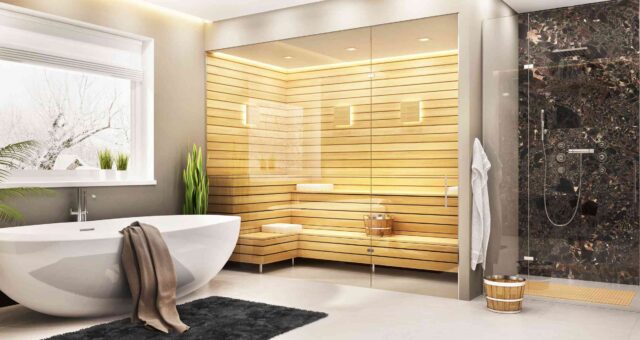
Adding a sauna or steam room can transform a home into a relaxing wellness retreat, but achieving long-term satisfaction requires more than choosing attractive finishes. Poor planning can result in moisture issues, ventilation problems, expensive repairs, and equipment that does not perform as expected.
A successful installation begins with understanding how the space will be used and selecting materials, equipment, and layouts that support efficient operation. Careful planning before construction helps homeowners avoid common maintenance challenges while creating a comfortable environment that will last for years.
Investing time in the design stage is one of the best ways to protect both the renovation budget and the finished wellness space.
Design The Space Around Long-Term Performance

Homeowners planning a personalised wellness area should explore custom built sauna (click here) to better understand how a tailored design can maximise available space, improve heating efficiency, simplify maintenance, and create a sauna that matches individual preferences and lifestyle requirements.
A well-designed sauna or steam room should include proper insulation, effective waterproofing, suitable ventilation, and carefully selected materials that perform well in high-temperature and high-humidity environments. These features help minimise moisture-related problems while improving comfort and energy efficiency.
Planning maintenance access for heating equipment and ventilation systems also makes future servicing much easier.
Good design decisions made early often prevent costly maintenance issues later.
Choose Durable Materials And Reliable Equipment

Selecting quality materials is essential for maintaining the appearance and performance of a home wellness space. Timber, wall finishes, flooring, and heating equipment should all be suitable for repeated exposure to heat and moisture.
Reliable equipment not only provides more consistent performance but also reduces the likelihood of unexpected breakdowns and costly repairs. Professional installation further ensures all systems operate safely while complying with building and electrical requirements.
Choosing durable products helps extend the lifespan of the entire installation.
Quality materials contribute to lower maintenance costs over the long term.
Plan For Easy Ongoing Maintenance
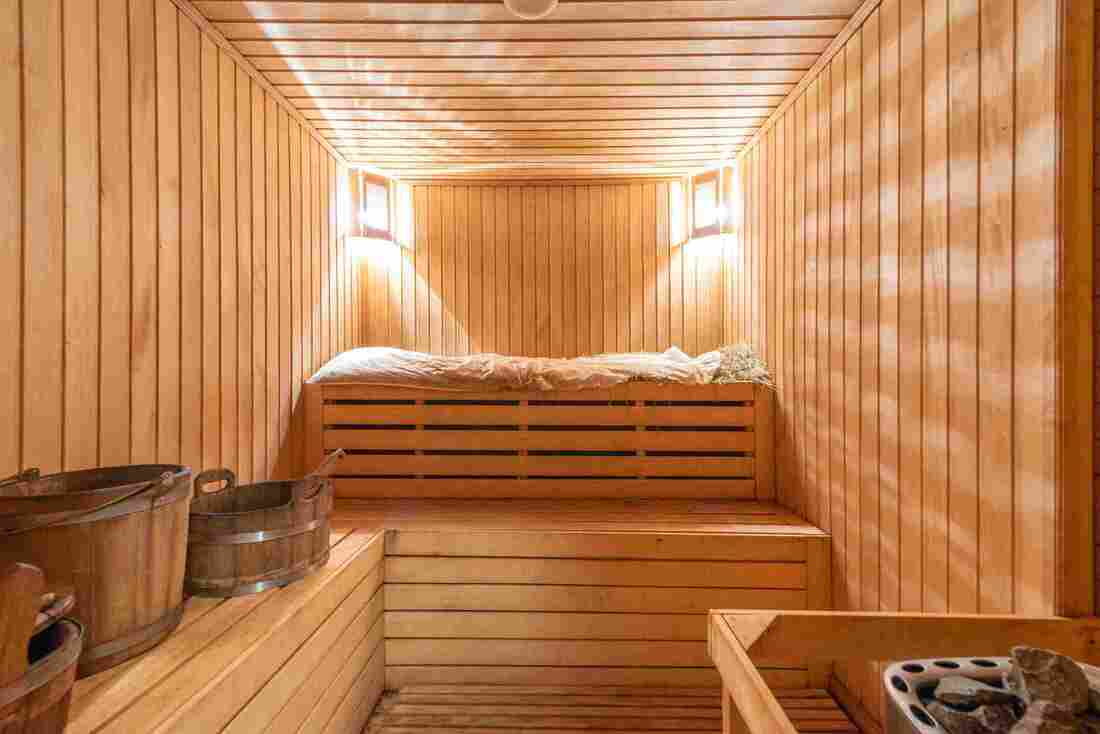
Routine maintenance should be considered before construction begins rather than after the project is completed. Easy-to-clean surfaces, effective drainage, and accessible service points all help simplify regular upkeep.
Following recommended maintenance schedules for heating systems and ventilation equipment also supports efficient operation while helping prevent moisture build-up and unnecessary wear.
Regular inspections allow small issues to be identified before they develop into more significant problems that require expensive repairs.
A well-maintained sauna or steam room continues to provide comfort, efficiency, and enjoyment for many years.
Conclusion
Planning a home sauna or steam area requires careful attention to design, equipment selection, and long-term maintenance. By considering ventilation, waterproofing, durable materials, and future servicing from the beginning, homeowners can avoid many common maintenance problems.
A thoughtfully designed wellness space not only delivers greater comfort and reliability but also protects the value of the investment while providing a relaxing retreat for years to come.